

The journey of gambling tracing its historical evolution through the ages
The Origins of Gambling
Mục Lục
Gambling has ancient roots, with its origins tracing back to prehistoric times. Archaeological evidence suggests that primitive civilizations engaged in various forms of gambling, often using bones or stones as rudimentary dice. These early games were more than mere entertainment; they played significant roles in social rituals and community gatherings. It was not uncommon for clans to engage in betting contests, often as a means of resolving disputes or making decisions. Today, platforms like Dbbet offer exciting avenues for casino gaming in a modern context.

As societies evolved, so did the methods and materials used in gambling. The first recorded instance of gambling dates back to 2,300 BC in China, where tiles were found that suggested the play of a lottery-like game. In ancient Rome and Greece, gambling became more structured, with citizens participating in betting on gladiatorial games and chariot races. This formalization marked the transition from informal practices to organized gambling, paving the way for future developments.
By the Middle Ages, gambling had taken on new forms across Europe. The introduction of playing cards in the 14th century sparked a gambling revolution, leading to the establishment of various games like poker and blackjack. During this period, gambling became intertwined with societal norms, often seen as a vice but also as a source of social interaction. The establishment of regulations and taxes on gambling activities laid the groundwork for the modern gambling landscape.
The Rise of Casinos
The concept of casinos began to take shape in the 17th century, particularly in Italy, where the first official gambling house, the Ridotto, opened its doors in 1638. This establishment catered to the elite, offering a luxurious setting for high-stakes games. The success of the Ridotto inspired similar venues across Europe, leading to the proliferation of casinos in major cities. These early casinos were not just about gambling; they also served as social hubs, where people gathered to enjoy entertainment and culture.
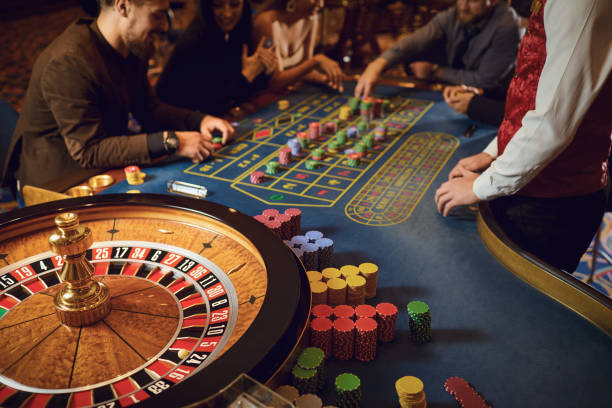
As casinos gained popularity, they began to adapt and evolve. The 19th century saw the emergence of iconic establishments like the Casino de Monte-Carlo, which set the standard for luxury and grandeur. These venues featured elaborate designs, fine dining, and world-class entertainment, making them attractive destinations for the wealthy elite. This era also marked the beginning of casino games as we know them today, with games like roulette and baccarat becoming staples in the gambling world.
The proliferation of casinos continued into the 20th century, particularly in the United States. The legalization of gambling in Nevada in 1931 paved the way for Las Vegas to emerge as the gambling capital of the world. With extravagant resorts and a vibrant nightlife, Las Vegas transformed the gambling experience, attracting millions of visitors seeking excitement and entertainment. This evolution led to the commercialization of gambling, turning it into a multi-billion-dollar industry.
The Impact of Technology on Gambling
The advent of technology in the late 20th century drastically transformed the gambling landscape. The introduction of online gambling in the 1990s marked a pivotal moment, allowing players to engage in betting activities from the comfort of their homes. This innovation democratized gambling, making it accessible to a broader audience. Online casinos began to offer a diverse range of games, including slots, poker, and live dealer options, enhancing the overall gaming experience.
Advancements in mobile technology further revolutionized the industry. With the rise of smartphones, players could gamble on-the-go, leading to the popularity of mobile casinos. This shift changed the way people interacted with gambling, allowing for instant access to games and betting opportunities. The integration of secure payment methods and advanced encryption technologies also increased consumer confidence, making online gambling a safer and more appealing option.
The use of data analytics and artificial intelligence has also influenced the gambling industry. Casinos now employ sophisticated algorithms to analyze player behavior, enabling personalized gaming experiences and targeted promotions. This technology-driven approach has allowed operators to create tailored offerings that resonate with players, ultimately enhancing customer satisfaction and retention. As technology continues to evolve, the future of gambling appears bright, with exciting innovations on the horizon.
The Social and Economic Implications of Gambling
Gambling has long been a topic of debate, particularly regarding its social implications. Critics often highlight the potential for addiction and negative impacts on communities, including crime and economic disparity. However, advocates argue that regulated gambling can contribute positively to local economies by creating jobs, generating tax revenue, and attracting tourism. The balance between these perspectives continues to shape gambling policies worldwide.
In many regions, the legalization of gambling has led to a significant economic boost. For instance, Las Vegas thrives on tourism driven by its casinos, contributing billions to the local economy. Similarly, online gambling platforms generate substantial revenue, offering opportunities for job creation in tech and customer service sectors. This economic impact has prompted many governments to reconsider their stance on gambling, often resulting in new regulations and frameworks to ensure responsible gaming.
Moreover, gambling has been integrated into various cultural narratives, often depicted in movies, literature, and art. This portrayal shapes public perception and often glamorizes the gambling lifestyle. While many enjoy gambling as a form of entertainment, it is essential to recognize the importance of responsible gaming practices. Awareness campaigns and support systems for those struggling with gambling addiction are critical to balancing the social implications of this age-old pastime.
Your Journey with DBbet
At DBbet, we understand that gambling is not just about games; it’s about the experience. Our platform offers an extensive selection of over 8,000 casino games, along with comprehensive coverage of more than 25 sports, tailored specifically for Pakistani preferences. We pride ourselves on providing a secure and entertaining environment for all our users, ensuring that every gaming experience is enjoyable and memorable.
With user-friendly interfaces and seamless payment solutions, DBbet aims to enhance your gambling journey. Our dedicated 24/7 customer support team is always ready to assist you, ensuring that your inquiries are addressed promptly. We also offer generous bonuses and promotions, giving you more opportunities to win and enjoy your favorite games. Your satisfaction is our top priority.
As we continue to evolve alongside the gambling industry, we remain committed to responsible gaming practices. We encourage our users to play responsibly while enjoying the excitement that comes with gambling. Join DBbet today, and embark on a thrilling journey through the world of online sports betting and casino gaming, where every moment is filled with potential and excitement.